How to Make Vietnamese Egg Coffee (Cà Phê Trứng) at Home
Egg coffee, or Vietnamese egg coffee, is a rich and creamy coffee drink that originated in Hanoi. Combining the bold flavors of Vietnamese coffee with a frothy, custard-like egg foam, it offers a unique and indulgent coffee experience. In this guide, we'll walk you through a step-by-step egg coffee recipe, discuss what is egg coffee, and provide expert tips on how to make egg coffee and how to drink egg coffee for the best experience. We'll also explore whether you can put egg nog in coffee and how it compares to traditional egg coffee.
What is Egg Coffee?
Vietnamese egg coffee (ca phe trung) was invented in the 1940s in Hanoi when fresh milk was scarce, and egg yolks were used as a substitute. The result? A decadent, velvety coffee with a slightly sweet and creamy topping that balances perfectly with the strong, bold flavors of Vietnamese robusta coffee. Hanoi egg coffee has since become a signature drink in Vietnam and is now enjoyed worldwide.

Ingredients
For the Egg Cream Topping:
-
3 egg yolks
-
10ml honey (adjust to taste)
For the Coffee Base:
-
30ml brewed Vietnamese coffee (Bazan Coffee’s Krong Nang Robusta or Vietnam Blend is highly recommended)
-
Ice cubes (for the cold version)
Step-by-Step Egg Coffee Recipe
1. Prepare the Egg Mixture:
-
Separate 3 egg yolks into a bowl.
-
Add 10ml honey and whisk vigorously using a mixer or a handheld frother for 10–15 minutes until the mixture becomes light, fluffy, and smooth.

2. Brew the Coffee:
-
Brew 30ml of strong Vietnamese coffee using a traditional phin filter or an espresso machine.
-
If using a phin filter, let the coffee steep slowly for a bold and rich flavor.

3. Assemble the Drink
Hot Egg Coffee:
-
Warm the cup: While preparing the egg mixture, preheat your coffee cup with hot water.
-
Pour the coffee: Once the coffee is ready, discard the warming water from the cup and pour in the freshly brewed coffee.
-
Add the whipped egg cream: Gently spoon the egg mixture over the coffee.
-
Enjoy: Stir gently from the bottom up before drinking.

Cold Egg Coffee:
-
Prepare the cup: Fill a tall glass with ice cubes.
-
Pour the coffee: Brew 50ml of strong coffee and pour it over the ice.
-
Add the egg foam: Spoon the fluffy egg mixture over the coffee.
-
Serve and enjoy: The contrast between the cold coffee and the rich egg foam makes this version refreshing and decadent.

Pro Tips for the Best Egg Coffee
-
Taste the whipped egg mixture before adding it to coffee to ensure the right sweetness.
-
For a stronger coffee flavor, extend the brewing time with a phin filter.
-
Drink within 10 minutes to enjoy the freshest flavor before the egg foam changes texture.
-
Egg cream coffee variations can include cocoa powder, cinnamon, or nutmeg for a unique twist.
FAQs About Egg Coffee – Everything You Need to Know
Q: What is the difference between egg coffee and egg cream coffee?
A: The term "egg coffee" refers to a Vietnamese specialty drink where egg yolks are whisked with sweetened condensed milk, sugar, and sometimes vanilla to create a thick, frothy, and creamy layer on top of strong coffee. This results in a custard-like texture that balances the coffee’s boldness.
In contrast, "egg cream coffee" is a New York-origin beverage that does not contain eggs or coffee at all. Instead, it is made with milk, carbonated water, and chocolate syrup, resembling more of a light, fizzy chocolate milk than a coffee-based drink.
💡 Key Difference: Vietnamese egg coffee is a rich, espresso-like drink with a frothy egg topping, whereas egg cream coffee is a soda-like chocolate drink with no relation to actual coffee.
Q: How to drink egg coffee properly?
A: The best way to enjoy Vietnamese egg coffee is to experience the contrast between the rich, velvety egg foam and the bold, dark coffee underneath. Here’s how to drink it:
-
Option 1 – Traditional Method (Layered Experience):
-
Start by sipping the creamy egg foam on top to enjoy its luxurious texture and sweet, custard-like taste.
-
Then, take a sip of the robust coffee below for a bitter-sweet balance.
-
Option 2 – Blended Method (Even Flavor):
-
Gently stir the drink from the bottom up to mix the coffee with the egg foam.
-
This creates a smooth and creamy cappuccino-like consistency with an even distribution of sweetness and bold coffee flavor.
💡 Pro Tip: Many coffee shops serve egg coffee in a small cup placed inside a bowl of warm water to maintain the ideal drinking temperature and prevent the egg foam from cooling too quickly.
Q: Can you put eggnog in coffee instead of egg foam?
A: Yes, eggnog can be used as an alternative to egg foam, but it won’t provide the same texture.
Similarities:
-
Eggnog adds creaminess and a rich, spiced flavor to coffee.
-
It contains eggs, milk, and sugar, making it somewhat similar in concept to egg coffee.
Differences:
-
Eggnog is pre-mixed and liquid-based, so it won't create the thick, frothy layer that traditional egg coffee has.
-
It often includes nutmeg, cinnamon, and other spices, altering the flavor profile.
💡 Best Way to Use Eggnog in Coffee:
-
Froth the eggnog before adding it to coffee for a creamier texture.
-
Pair it with a strong coffee like Bazan Coffee’s Fine Robusta – Krong Nang to balance the sweetness.
Q: How does Hanoi egg coffee differ from regular coffee drinks?
A: Hanoi egg coffee is richer, creamier, and more dessert-like than traditional coffee drinks. Here’s how it stands out:
☕ Hanoi Egg Coffee vs. Regular Latte/Cappuccino:
|
Feature |
Hanoi Egg Coffee |
Latte/Cappuccino |
|
Base Coffee |
Strong Vietnamese robusta |
Espresso |
|
Foam/Topping |
Whipped egg yolk + condensed milk |
Steamed milk foam |
|
Flavor |
Sweet, custard-like, caramelized |
Milky, smooth |
|
Texture |
Thick, velvety, dessert-like |
Light, airy foam |
-
Unlike a latte or cappuccino, which has milk foam, egg coffee features a thick, whipped egg yolk topping that tastes like a sweet custard.
-
The strong robusta coffee at the base gives it an intense, bold flavor, whereas lattes and cappuccinos are more balanced and creamy.
💡 Pro Tip: Hanoi egg coffee is often described as “liquid tiramisu” due to its creamy, dessert-like nature.
Q: What is the best coffee for making Vietnamese egg coffee?
A: Vietnamese robusta coffee is the best choice for making egg coffee due to its strong, bold, and slightly bitter profile, which perfectly balances the sweetness of the egg foam.
Recommended Coffee:
-
Bazan Coffee’s Fine Robusta – Krong Nang
-
Grown in Vietnam’s high-altitude regions, this robusta has a full-bodied, strong flavor with chocolatey and nutty undertones.
-
The high caffeine content (about 2x more than arabica) provides a powerful kick that pairs well with the rich egg topping.
Why Robusta?
-
Higher caffeine content makes it stronger and less acidic than arabica.
-
Creates a thicker crema, which enhances the drink’s visual appeal.
-
Offers a bold and intense contrast to the sweet, creamy egg foam.
💡 Alternative: If you prefer a milder flavor, try a medium-dark arabica blend, but robusta is the most authentic choice.
Q: Is Vietnamese egg coffee safe to drink?
A: Yes! Vietnamese egg coffee is safe to drink as long as fresh, high-quality eggs are used.
How to Ensure Safety:
-
Use pasteurized eggs if you're concerned about consuming raw egg yolks.
-
Choose fresh, organic eggs to minimize risks.
-
The heat from the freshly brewed coffee partially cooks the egg foam, reducing concerns about bacteria.
💡 Pro Tip: To be extra cautious, whisk the egg mixture over gentle heat (double boiler method) before adding it to the coffee to create a safe, frothy topping without using raw egg directly.
Experience Authentic Vietnamese Egg Coffee with Bazan Coffee
At Bazan Coffee, we believe that the key to crafting the perfect Vietnamese egg coffee lies in choosing the finest coffee beans. Whether you're making it for the first time or refining your recipe, the quality of your coffee is essential to creating an authentic, flavorful experience. With Bazan’s premium, specialty-grade beans, you can craft a rich, smooth, and creamy egg coffee that brings a true taste of Vietnam to your cup.
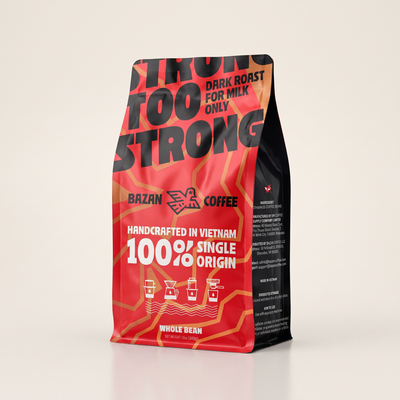
Brew It with Too Strong: Vietnam’s Bold Robusta
Too Strong is 100% Vietnamese Robusta from Đắk Lắk, dark roasted to stand up to milk and ice. It carries roughly twice the caffeine of a typical arabica blend (about 2.2–2.7%), with notes of chocolate, caramel and warm toast and none of the burnt, bitter bite.
- Made for milk: built for cà phê sữa đá, lattes and iced coffee.
- Brew it your way: phin filter, espresso machine, French press or paper filter.
- Fresh from the farm: roasted date printed on every bag.