Starbucks Cold Brew vs. Iced Coffee: A Comprehensive Comparison
Coffee enthusiasts often find themselves choosing between Starbucks' Cold Brew and Iced Coffee. While both are chilled beverages, they differ significantly in brewing methods, flavor profiles, caffeine content, and pricing. This guide delves into these distinctions to help you make an informed choice.
Brewing Methods: Cold Brew vs. Iced Coffee
When choosing between Cold Brew and Iced Coffee, it's essential to understand how each is brewed, as this directly impacts their flavor, caffeine content, and overall drinking experience.
Cold Brew: A Slow, Smooth Extraction Process
Starbucks’ Cold Brew Coffee is meticulously crafted using a time-intensive brewing process that steeps coarsely ground coffee beans in cold, filtered water for 20 hours. Unlike traditional hot brewing, this slow extraction method minimizes acidity and enhances natural sweetness, resulting in a silky-smooth, full-bodied coffee with chocolatey and nutty undertones.
Why is Cold Brew Different?
-
No heat is applied during extraction, reducing the release of bitter compounds.
-
The long steeping time allows the coffee’s natural flavors and subtle sweetness to develop, making it less acidic yet bold in character.
-
The end result is a rich, velvety coffee concentrate that is then diluted with water or milk before serving.
Best For:
-
Coffee lovers who prefer a smoother, naturally sweet, and low-acidic drink.
-
Those looking for a stronger caffeine kick with a slower release of energy throughout the day.

Iced Coffee: A Classic & Crisp Brewed Coffee
Starbucks’ Iced Coffee follows a hot brewing method, using their signature coffee blend, which is then rapidly cooled and served over ice. Because the coffee is extracted with heat, it brings out brighter, fruitier, and more acidic notes, resulting in a crisp and refreshing taste.
Key Differences from Cold Brew:
-
Brewing Time: Iced coffee is brewed within minutes, while cold brew requires nearly a full day of steeping.
-
Acidity & Brightness: The hot brewing process extracts more acidic compounds, giving iced coffee its livelier, tangier profile.
-
Immediate Enjoyment: Unlike cold brew, which is brewed in advance, iced coffee is made fresh to order, ensuring a bright, just-brewed taste.
Best For:
-
Those who enjoy a classic, refreshing coffee with bright and tangy notes.
-
Anyone looking for a more traditional coffee experience with a slightly lower caffeine content.

Flavor Profiles: What Sets Them Apart?
The brewing method significantly impacts the flavor profile of each drink.
Cold Brew: Smooth & Naturally Sweet
-
Flavor Notes: Chocolate, nuts, caramel-like sweetness.
-
Texture: Velvety, creamy, and rich.
-
Acidity: Low acidity, making it gentler on the stomach.
-
Taste Experience: Cold brew is mellow yet bold, offering a luxuriously smooth drinking experience with naturally sweet and deep coffee flavors—no sugar required.
Iced Coffee: Bright & Refreshing
-
Flavor Notes: Fruity, citrusy, slightly nutty.
-
Texture: Light, crisp, and refreshing.
-
Acidity: Higher acidity, giving it a sharper, tangier finish.
-
Taste Experience: Iced coffee is lively and invigorating, offering a more traditional coffee taste with a slightly bitter edge.
Personalization Tip: If you prefer a naturally sweet coffee, go for Cold Brew. If you like a brighter, more refreshing kick, opt for Iced Coffee.

Caffeine Content: Which One Packs More Energy?
Caffeine levels vary between Cold Brew and Iced Coffee, so choosing the right one depends on how much energy boost you need.
|
Beverage |
Caffeine Content (Per 11 oz Serving) |
Caffeine Strength |
|
Cold Brew |
205 mg |
Higher caffeine, slow energy release |
|
Iced Coffee |
185 mg |
Slightly lower caffeine, faster kick |
What This Means for You:
-
Cold Brew delivers a longer-lasting caffeine boost due to its slower release into the bloodstream, making it ideal for those who need sustained energy throughout the day.
-
Iced Coffee offers a quicker caffeine kick, perfect for those who need an instant burst of alertness in the morning.
Caloric Content: A Low-Calorie Choice
If you're watching your calorie intake, both Cold Brew and Iced Coffee are excellent choices, as they are naturally low in calories when served black.
|
Beverage |
Calories (Per 16 oz Grande) |
|
Cold Brew |
5 calories |
|
Iced Coffee |
5 calories |
-
The calorie count only increases when adding milk, cream, or sweeteners.
-
To keep your drink low-calorie, opt for unsweetened versions or sugar-free syrups.
Pricing: Why is Cold Brew More Expensive?
Many coffee lovers notice that Cold Brew is priced higher than Iced Coffee at Starbucks. The reason lies in the brewing process and time investment.
|
Beverage |
Price (Grande, 16 oz) |
|
Cold Brew |
$4.95 |
|
Iced Coffee |
$3.95 |
Why the Price Difference?
-
Cold Brew requires 20 hours of steeping, significantly increasing preparation time.
-
More coffee grounds are used to create the concentrate, making it a richer and stronger brew.
-
The unique brewing process results in a smoother, higher-quality taste, making it a premium offering.
Pro Tip: If you're on a budget but love the smoothness of Cold Brew, consider making your own at home with Starbucks' Cold Brew Coffee Concentrate or DIY brewing kits.
Frequently Asked Questions (FAQs)
Q: Which has more caffeine, Starbucks' Cold Brew or Iced Coffee?
A: Cold Brew contains more caffeine (205 mg vs. 185 mg per 11 oz serving). However, because it releases caffeine more gradually, it may feel less intense initially but longer-lasting than Iced Coffee.
Q: Are there significant calorie differences between the two?
A: No. Both Cold Brew and Iced Coffee contain just 5 calories per 16 oz serving, making them excellent low-calorie coffee choices.
Q: Why is Cold Brew more expensive than Iced Coffee at Starbucks?
A: Cold Brew costs more due to its labor-intensive brewing process, longer steeping time, and higher coffee-to-water ratio.
Q: How do the flavors of Cold Brew and Iced Coffee differ?
A: Cold Brew is smooth, naturally sweet, and low in acidity, while Iced Coffee is brighter, more acidic, and has a crisper finish.
Q: Can I customize these drinks?
A: Yes! Both can be tailored with milk, plant-based alternatives, syrups, and sweeteners to match your taste preferences.
Elevate Your Coffee Experience with Bazan Coffee
At Bazan Coffee, we believe that the key to an extraordinary coffee experience begins with selecting the finest beans. Whether you're preparing a smooth cup of cold brew, an espresso martini, or crafting a coffee liqueur, the beans you choose will dramatically affect the flavor, aroma, and body of your coffee. By choosing Bazan’s specialty-grade coffee, you can elevate your coffee rituals to new heights, ensuring that each cup offers complexity and depth.
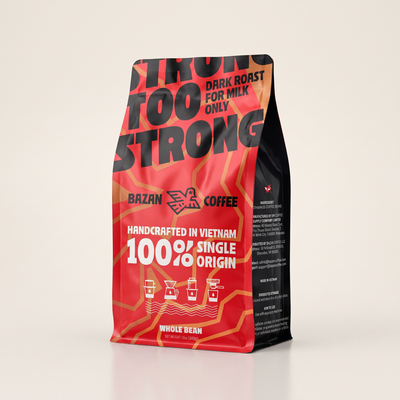
Brew It with Too Strong: Vietnam’s Bold Robusta
Too Strong is 100% Vietnamese Robusta from Đắk Lắk, dark roasted to stand up to milk and ice. It carries roughly twice the caffeine of a typical arabica blend (about 2.2–2.7%), with notes of chocolate, caramel and warm toast and none of the burnt, bitter bite.
- Made for milk: built for cà phê sữa đá, lattes and iced coffee.
- Brew it your way: phin filter, espresso machine, French press or paper filter.
- Fresh from the farm: roasted date printed on every bag.