Lungo Coffee vs. Espresso: A Deep Dive Into Extraction, Flavor, and Brewing Mastery
In the realm of espresso-based beverages, two drinks often spark curiosity among coffee enthusiasts: lungo coffee and espresso. While both are prepared using the same espresso machine and beans, their brewing parameters diverge significantly, resulting in distinct taste profiles, caffeine content, and sensory experiences.
This in-depth guide will explore the differences between lungo coffee and espresso. Whether you're dialing in your home espresso setup or exploring new flavor dimensions, this article will help you better understand the nuances between these two drinks-and how to master each.
Understanding the Fundamentals
What Is Espresso?
Espresso is a highly concentrated coffee beverage brewed by forcing pressurized hot water through a puck of finely ground coffee. Typically, an espresso shot measures 25 to 30 milliliters and takes about 25–30 seconds to extract. The result is a rich, full-bodied coffee with intense flavor, syrupy body, and a layer of crema-a golden foam composed of oils and microbubbles-that adds texture and aromatic complexity.
Espresso is the foundation of most café drinks, from lattes and cappuccinos to flat whites and macchiatos. Because of its potency and short extraction, it preserves the most volatile aromatic compounds and creates a bold, balanced flavor.
What Is Lungo Coffee?
“Lungo” means “long” in Italian. A lungo is a longer-pulled espresso shot that uses more water-typically about 60 to 90 milliliters-and is brewed over a longer extraction time, usually 45–60 seconds. Unlike an Americano, where water is added after the espresso shot is pulled, a lungo extracts the full volume through the puck of coffee grounds.
This extended brewing time pulls additional solubles, including bitter compounds like tannins and chlorogenic acid lactones, giving the lungo a more bitter, thinner, and sometimes more complex flavor than a traditional espresso.
Technical Comparison: Lungo Coffee vs Espresso
|
Feature |
Espresso |
Lungo |
|
Water Volume |
25–30 ml |
60–90 ml |
|
Brew Time |
25–30 seconds |
45–60 seconds |
|
Grind Size |
Fine |
Slightly coarser than espresso |
|
Flavor Intensity |
Bold, rich, concentrated |
Diluted, slightly bitter, nuanced |
|
Body |
Thick, syrupy |
Lighter, less crema |
|
Caffeine Content |
Moderate (63–75 mg per shot avg) |
Slightly more due to longer brew |
It’s important to note that caffeine content varies by bean origin, roast level, and dose. However, since a lungo draws more liquid from the same dose of coffee, it generally extracts a little more caffeine.
Sensory Analysis: How They Taste
Espresso Flavor Profile
Espresso offers a burst of flavor in a small volume. The quick extraction yields a well-balanced combination of sweetness, acidity, and bitterness, depending on the bean and roast. You’ll often find notes of chocolate, nuts, dark fruit, or spice, all heightened by the crema.
Lungo Flavor Profile
Lungo has a lighter body and a noticeably more bitter edge. Because of the extended extraction, water flows through the coffee puck longer, drawing out more bitter solubles and less desirable compounds. While it may lack the intensity of espresso, a lungo can present delicate herbal or toasted notes if brewed correctly with high-quality beans.
Some professional baristas describe lungo as “espresso that leans toward drip coffee,” although it retains the crema and pressure-brewed characteristics unique to espresso machines.

Brewing Instructions
How to Brew Espresso Properly
Equipment Needed:
-
Espresso machine
-
Burr grinder
-
Freshly roasted coffee (18–20g per double shot)
-
Tamper
-
Scale and timer
Steps:
-
Dose 18–20g of fine-ground coffee into your portafilter.
-
Tamp evenly and with consistent pressure (about 30 lbs).
-
Brew at 9 bars of pressure for 25–30 seconds.
-
Aim to yield 25–30 ml of liquid for a standard single or double espresso.
-
Serve immediately in a preheated demitasse cup.
How to Brew a Lungo
Equipment Needed:
-
Same as above
-
Adjusted grind and timing
Steps:
-
Use 18–20g of coffee, but grind slightly coarser than for espresso to avoid over-extraction.
-
Tamp consistently and lock the portafilter in place.
-
Start your shot and extend the extraction time to 45–60 seconds.
-
Aim for a 60–90 ml yield. Taste and adjust accordingly.
-
Serve in a larger cup; avoid letting it sit too long, as over-bittering can occur quickly.
Expert Tips and Advanced Adjustments
-
Use Medium or Medium-Dark Roasts for Lungo: These roasts tend to handle extended extraction better without becoming overly bitter.
-
Adjust Dose, Don’t Overpack: A lungo doesn’t need more coffee, just a longer extraction and slight grind adjustment.
-
Avoid Too Fine a Grind: Over-extraction will result in a harsh, astringent cup with muted aroma.
-
Water Quality Matters: Since the flavor is more diluted, the water used in lungo preparation significantly affects taste.

Frequently Asked Questions (FAQs)
Q: Is lungo stronger than espresso?
Not necessarily in flavor. Lungo has a higher volume and may have more caffeine, but it is typically less intense and more bitter than espresso.
Q: Can I use any espresso machine to make a lungo?
Yes, any machine that allows you to control shot duration and water volume can be used to make a lungo.
Q: Is a lungo just a double espresso?
No. A double espresso uses more grounds but maintains the same brew ratio and time as a single. A lungo uses the same grounds but increases brew time and water volume.
Q: Can I use lungo in milk-based drinks?
It’s not recommended. The diluted and bitter profile doesn’t balance as well with milk as a standard espresso does.
Q: Is lungo more common in certain countries?
Yes. Lungo is more popular in parts of Europe, particularly Italy and France, where coffee drinkers often prefer longer, sippable espresso-based drinks.
Conclusion
Understanding the distinction between lungo coffee vs espresso goes beyond brew time and volume. It's about flavor chemistry, extraction science, and personal taste preferences. If you seek bold, aromatic, and syrupy richness, espresso is the classic go-to. But if you're curious about exploring more volume with subtlety, a lungo offers a complex and intriguing experience.
At Bazan Coffee, we supply specialty-grade beans that perform beautifully whether you're pulling a tight espresso shot or extending it into a nuanced lungo. Our carefully curated roasts give you the versatility to brew with confidence and clarity.
Ready to explore the world of espresso and lungo? Discover Bazan Coffee’s curated espresso collection today and elevate your brew with every cup.
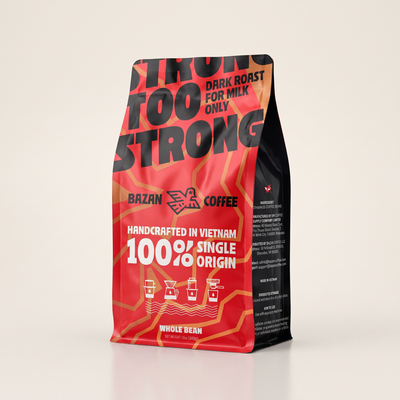
Brew It with Too Strong: Vietnam’s Bold Robusta
Too Strong is 100% Vietnamese Robusta from Đắk Lắk, dark roasted to stand up to milk and ice. It carries roughly twice the caffeine of a typical arabica blend (about 2.2–2.7%), with notes of chocolate, caramel and warm toast and none of the burnt, bitter bite.
- Made for milk: built for cà phê sữa đá, lattes and iced coffee.
- Brew it your way: phin filter, espresso machine, French press or paper filter.
- Fresh from the farm: roasted date printed on every bag.