A Modern Ritual: How to Make the Perfect Japanese Coffee Jelly Recipe (with a Bazan Twist)
Few desserts capture the quiet sophistication of Japanese café culture quite like coffee jelly. Served in minimalist glass cups, this bittersweet treat has become a staple from Tokyo coffeehouses to Kyoto dessert counters. But what if you could recreate it with Vietnamese specialty coffee from Bazan giving your version a bold, terroir-rich twist?
In this comprehensive guide, we’ll explore:
-
The origins and science behind Japanese coffee jelly
-
A step-by-step authentic Japanese coffee jelly recipe
-
How to pair it with Bazan’s roast profiles
-
Sensory and flavor pairing strategies
-
Pro tips, FAQs, and product-linked calls to action
What Is Japanese Coffee Jelly?

Japanese coffee jelly (コーヒーゼリー, kōhī zerī) is a gelatin dessert made by combining strong black coffee with a bit of sugar and gelatin. It became widely popular in Japan during the 1960s, inspired by European gelatin-based desserts but adapted to suit Japanese taste for subtle bitterness and refined textures.
It’s traditionally:
-
Served cubed in milk or cream
-
Used as a topping in parfaits and affogato-style drinks
-
Enjoyed both at home and in café settings, especially in summer
Desserts like coffee jelly highlight coffee’s “structure and aromatic persistence” by preserving volatile compounds within a gelatin matrix.
Ingredients:
-
2 cups strong brewed Bazan Coffee (see pairings below)
-
2 tsp unflavored gelatin powder (or 1 sheet gelatin)
-
2 tbsp sugar (adjust to taste)
-
2 tbsp cold water (for blooming gelatin)
-
Optional: pinch of salt or splash of vanilla
Instructions:
-
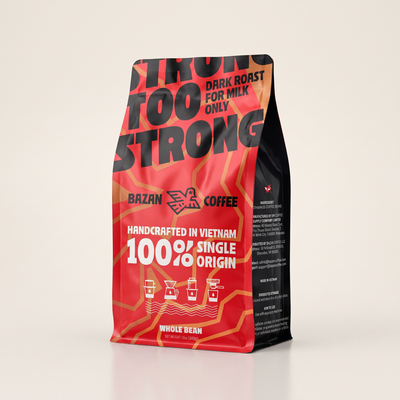
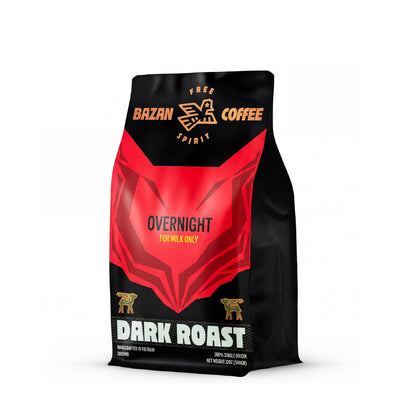
Brew your coffee using the phin or pour-over method with a dark roast (e.g. Bazan’s Too Strong Dark Roast).
-
In a small bowl, sprinkle gelatin over cold water and let it bloom for 5 minutes.
-
Heat the brewed coffee gently (do not boil), add sugar, stir until dissolved.
-
Remove from heat and stir in the gelatin mixture until fully melted.
-
Pour into glasses or molds. Let it cool to room temperature.
-
Chill for at least 4 hours, or until set. Cut into cubes or scoop with a spoon.
For a firmer bite like traditional Japanese konnyaku desserts, increase gelatin to 2.5 tsp.
Why It Works: Flavor Chemistry & Japanese Dessert Philosophy
Coffee jelly in Japan isn’t meant to be overpowering. It balances bitterness, acidity, and mild sweetness, offering a “cooling” dessert that complements rather than overwhelms.
According to World Coffee Research:
-
Coffee jellies retain volatile aromatic oils (furans, pyrazines) better than cold brews or iced coffees
-
Gelatin provides mouthfeel enhancement, allowing high-tannin coffees to feel silkier
-
Bitterness is softened when served chilled ideal for robusta or dark roast blends
Bazan Coffee Roast Pairing Guide
|
Roast |
Flavor Notes |
Jelly Result |
|
Bold, cocoa, earthy |
Espresso-like jelly, perfect with cream |
|
|
Nutty, caramel, smooth |
Balanced sweetness, best with condensed milk |
|
|
Floral, citrus, delicate |
Light and elegant, pairs well with fruit |
Cupping protocols suggest pairing desserts with coffees based on shared aromatic families caramel, spice, or chocolate notes from Bazan blends enhance jelly depth.
Creative Serving Suggestions
-
Classic Japanese: Serve cubes in a glass with sweetened cream or evaporated milk
-
Vietnamese twist: Pour condensed milk over jelly cubes and top with crushed ice
-
Modern café: Layer jelly with coconut cream, vanilla custard, or affogato-style espresso shots
-
Grown-up version: Spike the coffee mixture with a splash of coffee liqueur or dark rum before setting
Frequently Asked Questions (FAQ)
Can I use agar-agar instead of gelatin?
Yes, and it’s common in Japanese recipes. Use 1 tsp agar powder per 2 cups coffee. Boil with coffee for 2 minutes to activate, then chill.
How long does it keep?
Coffee jelly lasts 3–4 days in the fridge. Cover to avoid aroma loss.
Can I sweeten with condensed milk?
Yes, especially in the Vietnamese version. You can either add it after setting, or stir into the coffee base before chilling.
What’s the ideal coffee-to-gelatin ratio?
For a soft Japanese-style set: 2 tsp gelatin to 2 cups coffee. For firmer bite: 2.5 tsp.
Final Thoughts: A Dessert That Honors the Bean
The Japanese coffee jelly recipe is more than a retro dessert it’s a sensory canvas. A chilled homage to coffee’s bitterness, structure, and aroma. And when crafted with Bazan Coffee, you turn a traditional treat into something bold, grounded, and unmistakably Vietnamese.
In every cube, you’ll taste terroir, roast precision, and culinary grace.
Brew It with Too Strong: Vietnam’s Bold Robusta
Too Strong is 100% Vietnamese Robusta from Đắk Lắk, dark roasted to stand up to milk and ice. It carries roughly twice the caffeine of a typical arabica blend (about 2.2–2.7%), with notes of chocolate, caramel and warm toast and none of the burnt, bitter bite.
- Made for milk: built for cà phê sữa đá, lattes and iced coffee.
- Brew it your way: phin filter, espresso machine, French press or paper filter.
- Fresh from the farm: roasted date printed on every bag.