Gibraltar Coffee vs Cortado: What’s the Difference and How to Brew Both Like a Barista
Walk into a third-wave café and you might hear two drinks ordered interchangeably: Gibraltar coffee and cortado. Both are short, espresso-forward drinks with milk. Both are served in small glasses. And both have a cult following among coffee professionals.
But are they the same?
In this comprehensive brewing guide by Bazan Coffee, we break down the subtle but essential differences between Gibraltar coffee vs cortado-their origins, ratios, textures, and how to prepare both at home with precision. We also include expert tips, comparisons, and lesser-known insights you can brew with confidence and taste the difference yourself.
What Is the Difference Between Gibraltar Coffee and Cortado?
Though often used interchangeably in modern cafés, Gibraltar and cortado originate from different traditions-and in many cafés, they are technically different drinks.
What Is a Cortado?
-
Origin: Spain
-
Definition: “Cortado” comes from the Spanish verb cortar (“to cut”), referring to espresso “cut” with warm milk.
-
Ratio: 1:1 (espresso to lightly steamed milk)
-
Texture: No foam; milk is warm and integrated
-
Volume: ~4 oz (120 ml)
-
Cup: Small glass or ceramic demitasse

What Is a Gibraltar Coffee?
-
Origin: San Francisco, Blue Bottle Coffee
-
Definition: Named after the 4.5 oz Libbey Gibraltar glass it’s traditionally served in.
-
Ratio: 1:1 espresso to milk (some cafés use 1:1.5)
-
Texture: Slightly textured milk (with thin microfoam)
-
Volume: ~4.5 oz (133 ml)
-
Cup: Always in a Gibraltar glass
The difference comes down to ritual and regional identity rather than recipe. A Gibraltar is a cortado by formula but with unique café culture roots and a slightly different approach to milk texture.
Gibraltar Coffee vs Cortado: Comparison Table
|
Feature |
Gibraltar Coffee |
Cortado Coffee |
|
Origin |
USA (San Francisco) |
Spain (Basque region) |
|
Espresso to Milk Ratio |
1:1 to 1:1.5 |
1:1 |
|
Milk Texture |
Thin microfoam (lightly textured) |
No foam, just steamed milk |
|
Volume |
~4.5 oz (133 ml) |
~4 oz (120 ml) |
|
Glassware |
Libbey Gibraltar tumbler |
Demitasse or 4 oz glass |
|
Taste Profile |
Smooth, slightly creamy |
Bold, balanced, straightforward |
|
Best Bean Match |
Medium blends, nutty-sweet roasts |
Medium-dark single origin |
Why You Should Care: Texture and Flavor Experience
Despite similar volumes, Gibraltar coffee often feels smoother and silkier than cortado due to slight microfoaming, which aerates milk just enough to soften the espresso’s bite.
Cortado, by contrast, is meant to preserve espresso’s clarity, using milk only to “cut” harshness-not to transform the texture.
What This Means for Your Tastebuds:
-
Cortado emphasizes origin flavor and roast clarity
-
Gibraltar adds mouthfeel and sweetness through foam integration
-
Both are low-calorie, milk-balanced drinks for espresso purists
How to Make Cortado and Gibraltar Coffee at Home
Tools You’ll Need:
-
Espresso machine (or Moka pot for espresso alternative)
-
Milk frother or steam wand
-
Digital scale
-
Thermometer (for milk accuracy)
-
Gibraltar glass or 4 oz demitasse cup
How to Brew a Traditional Cortado
Ingredients:
-
18g ground espresso
-
30–40 ml whole milk (not foamed)
Steps:
-
Pull a double espresso shot (36–40g yield).
-
Steam 30–40 ml of milk to 130–140°F (55–60°C), without adding foam.
-
Pour slowly into the espresso-no latte art, just a creamy blend.
-
Serve in a 4 oz glass or demitasse.
When preparing a cortado, it's best to avoid frothing the milk altogether. The goal is density and balance, not volume or texture.

How to Brew a Gibraltar Coffee
Ingredients:
-
18g ground espresso
-
40–50 ml milk (lightly microfoamed)
Steps:
-
Pull a double shot of espresso.
-
Steam the milk to 135–145°F (57–63°C) with light aeration-aim for thin, glossy microfoam.
-
Swirl the pitcher and pour with control, layering milk under the crema.
-
Serve in a Libbey Gibraltar glass for the signature presentation.
It is suggested 5 seconds of aeration to achieve “wet paint” texture, ideal for Gibraltar’s signature finish.
Pro Tips for Brewing Both
-
Use medium or medium-dark roast beans: These provide body and balance without excessive acidity.
-
Full-fat milk or barista oat milk creates better texture and flavor delivery.
-
Preheat your glass: Helps maintain stability for both drinks.
-
Keep ratios consistent: Weigh your espresso and milk to ensure repeatability.
FAQs: Gibraltar Coffee vs Cortado
1. Is Gibraltar coffee the same as cortado?
Technically, yes-but Gibraltar usually has light microfoam and is always served in a specific glass. Cortado is more traditional and less foamy.
2. Which one is stronger?
Both use the same amount of espresso, but cortado tastes stronger due to less milk texture softening the espresso.
3. Can I order a Gibraltar at any café?
Not always. Gibraltar is a Blue Bottle invention, so some cafés may not recognize the term. Just ask for a cortado in a Gibraltar glass-or make it yourself.
4. Can I use oat milk?
Yes, but choose barista-grade oat milk to maintain foam integrity for Gibraltar or smooth texture for cortado.
5. Which is healthier?
Cortado typically uses less milk, making it slightly lower in calories (50–70 kcal vs. Gibraltar’s 70–90 kcal).
Cortado vs Gibraltar-Which Should You Choose?
The battle of gibraltar coffee vs cortado comes down to texture and ritual.
-
Choose a cortado if you want espresso-forward, balanced intensity with minimal milk texture.
-
Go for a Gibraltar when you crave a slightly silkier feel and a modern café aesthetic.
Either way, the key to both drinks lies in the espresso quality and milk precision-two things Bazan Coffee champions in every roast.
Brew Better. Brew with Bazan.
Whether you’re sipping from a Gibraltar glass or demitasse cup, great cortado and Gibraltar coffee starts with great beans.
👉 Explore Bazan Coffee’s Espresso Collection
Crafted for crema, balance, and barista-level milk integration-perfect for cortado, Gibraltar, or any espresso-forward drink.
Don’t just drink coffee. Master it-with Bazan.
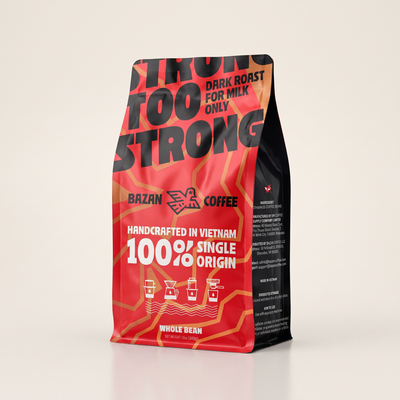
Brew It with Too Strong: Vietnam’s Bold Robusta
Too Strong is 100% Vietnamese Robusta from Đắk Lắk, dark roasted to stand up to milk and ice. It carries roughly twice the caffeine of a typical arabica blend (about 2.2–2.7%), with notes of chocolate, caramel and warm toast and none of the burnt, bitter bite.
- Made for milk: built for cà phê sữa đá, lattes and iced coffee.
- Brew it your way: phin filter, espresso machine, French press or paper filter.
- Fresh from the farm: roasted date printed on every bag.