Crunch Meets Caffeine: The Ultimate Chocolate Covered Coffee Beans Recipe – Powered by Bazan Coffee
Whether you're a specialty coffee lover or a curious snacker, chocolate covered coffee beans offer a unique blend of texture, energy, and flavor. But not all recipes are created equal. When made with precision, and with high-quality, single-origin beans like those from Bazan Coffee, this deceptively simple snack becomes a gourmet treat rooted in sensory science.
In this in-depth guide, we’ll break down the perfect chocolate covered coffee beans recipe, explain the chemistry behind the bean-chocolate pairing, and answer frequently asked questions about caffeine content, storage, and more. All backed by expert insight.
Why Coffee Beans Work So Well With Chocolate

Pairing chocolate with coffee beans is not just about flavor, it’s a strategic culinary decision based on chemistry and texture.
According to flavor wheel data and sensory mapping, coffee beans contain:
-
Natural nutty, chocolatey, and caramel notes
-
Bitterness that balances sweetness
-
Textural contrast that elevates smooth chocolate coatings
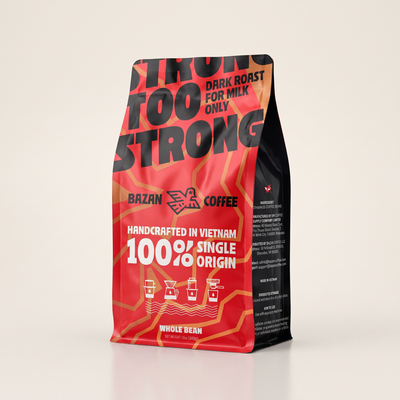
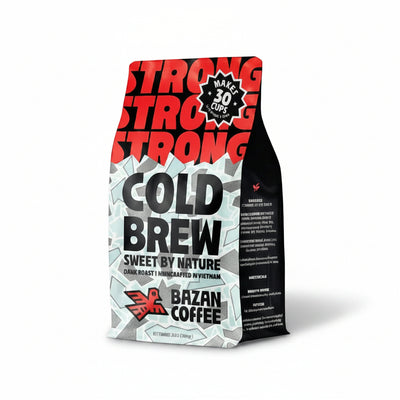
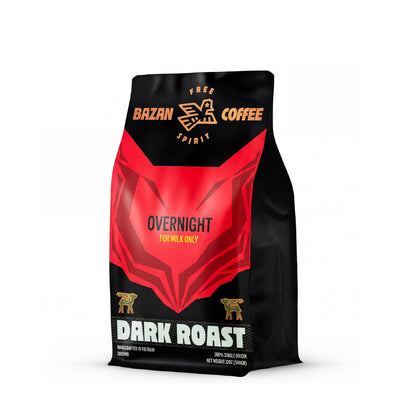
The key is using freshly roasted beans with low moisture and uniform density. Bazan's Fine Robusta and Cau Dat Arabica offer excellent structural integrity for snacking and superb flavor synergy with dark chocolate.
The Best Chocolate Covered Coffee Beans Recipe

Ingredients:
-
1 cup Bazan Fine Robusta – Krong Năng or Cau Dat Arabica whole beans (roasted, not ground)
-
200g (about 7 oz) high-quality chocolate (60–70% dark recommended)
-
1 tsp coconut oil (for smoother coating and better snap)
-
Optional: pinch of sea salt, cinnamon, or cocoa powder for finishing
Instructions:
-
Prep the beans: Ensure your coffee beans are dry and at room temperature. Do not use oily or freshly roasted beans straight from the roaster; allow at least 3–5 days post-roast for best flavor development.
-
Melt the chocolate: In a heatproof bowl, melt chocolate and coconut oil over a double boiler. Stir gently to avoid burning.
-
Coat the beans: Remove chocolate from heat. Add coffee beans and stir until fully coated.
-
Spread and set: Using a fork or slotted spoon, lift coated beans onto a parchment-lined tray. Separate them for even coating.
-
Chill: Refrigerate for 15–20 minutes until chocolate hardens.
-
Finish (optional): Dust with cinnamon, cocoa, or flake salt once set.
Why Bazan Beans Make a Difference
|
Bazan Roast |
Flavor Profile |
Why It’s Ideal for Chocolate |
|
Bold, nutty, high in caffeine |
Stands up to dark chocolate’s richness |
|
|
Bright, floral, balanced acidity |
Pairs well with milk chocolate or spices |
|
|
Smooth, caramelized |
Ideal for all-purpose chocolate pairings |
According to cupping data, Bazan’s coffees offer low moisture content and even roast development, resulting in fewer shatters and better chocolate adhesion during coating.
The Science of Texture and Taste

Chocolate:
-
Choose a couverture chocolate with 38–42% cocoa butter for ideal fluidity.
-
Tempering optional but recommended for gloss and snap.
Coffee:
-
Use medium to medium-dark roasts. Very dark roasts may taste too ashy or bitter when eaten whole.
-
Avoid beans with uneven surface oils (a sign of staling).
Additions:
-
Cinnamon or cayenne powder adds warmth and complexity.
-
Sea salt enhances contrast and balances bitterness.
Recommends avoiding flavored or glazed beans, which interfere with chocolate adherence and introduce off-notes.
Frequently Asked Questions (FAQ)
Do chocolate covered coffee beans have caffeine?
Yes. A single bean can contain between 5–10 mg of caffeine depending on the origin and roast level. Add the chocolate’s caffeine content (~5 mg per 10g dark chocolate), and a small handful (10–12 beans) can equal one espresso shot.
Are they safe to eat whole?
Yes, coffee beans are edible. Bazan’s specialty roasts are roasted with care, making the interior crunchy and aromatic. However, eat in moderation to avoid over-caffeination or stomach sensitivity.
How should I store them?
Keep in an airtight container in a cool, dry place for up to 2 weeks. Refrigeration is fine for humid climates, but avoid freezing as it may cause condensation.
Can I use milk or white chocolate?
Yes, but it pairs better with Arabica beans like Cau Dat, which have higher acidity and fruitiness.
Advanced Variations
-
Espresso Dusted Beans: Add a dusting of finely ground Bazan espresso to the chocolate coating for double flavor impact.
-
Layered Coating: Dip once in dark chocolate, chill, then repeat with milk chocolate for a two-tone crunch.
-
Infused Chocolate: Steep cardamom, orange zest, or vanilla bean in the chocolate during melting for gourmet flair.
Why It Matters: Flavor Integrity from Bean to Coating
Great chocolate covered coffee beans aren’t about shortcuts, they’re about precision. When you use Bazan Coffee, you’re not just choosing quality, you’re choosing:
-
Sustainable sourcing
-
Vietnamese single-origin heritage
-
Cupping-certified roast profiles
-
Flavor clarity and consistency ideal for culinary applications
As World Coffee Research emphasizes, origin and post-harvest handling significantly affect bean texture, density, and compatibility with culinary pairings.
Shop Bazan Coffee – Perfect Your Snack and Your Brew
Whether you're making coffee bean confections, baking mocha desserts, or sipping espresso, Bazan Coffee is your foundation for flavor.
Ideal Beans for Chocolate Coating:
-
Fine Robusta – Krong Năng – For intense energy and deep cocoa pairing
-
Cau Dat Arabica – For lighter, fruity chocolate applications
-
Special Vietnam Blend – For balance, versatility, and culinary range
Browse our collection and start creating:
👉 bazancoffee.com
Because the best recipes begin with the best beans.