How to Make the Perfect Chocolate Cake Recipe with Coffee – Backed by Science and Brewed with Bazan
Chocolate and coffee have long been considered a classic culinary pairing. But when combined into a cake batter, they don’t just complement each other, they chemically enhance one another. In this comprehensive, research-backed guide, we’ll show you how to create a rich, velvety chocolate cake recipe with coffee, explain the science behind each step, and match it with the perfect Bazan Coffee roast for layered complexity and full-bodied flavor.
This article is built on trusted food chemistry insights and global coffee research, and expert barista methodology.
Why Add Coffee to Chocolate Cake? (The Science Behind the Sensory)

The interaction between brewed coffee and cocoa powder has been studied not only in kitchens but in labs. According to cupping protocols and flavor matrices, here’s what coffee brings to a chocolate cake:
1. Flavor Amplification
Coffee enhances cocoa's bitterness in a controlled way, balancing the sweetness of sugar and the creaminess of fats. This boosts the perception of depth and richness.
2. Aroma Volatilization
Coffee contains aromatic compounds like furans, pyrazines, and aldehydes that complement those in dark chocolate. When hot coffee is added to batter, it increases the volatility of these compounds, releasing more aroma during baking.
3. Texture Enhancement
Warm coffee helps to hydrate cocoa powder, which is hydrophobic. This activates cocoa’s fat and starch structure, leading to a moister, more elastic crumb.
According to Barista Hustle’s research, a well-extracted medium-dark roast coffee improves mouthfeel and flavor clarity when used in baking.
The Complete Chocolate Cake Recipe with Coffee

This version balances structural integrity with deep chocolate flavor, supported by the use of freshly brewed Bazan Coffee.
Ingredients:
Dry Ingredients:
-
1 ¾ cups all-purpose flour
-
¾ cup Dutch-processed cocoa powder
-
2 cups granulated sugar
-
1 ½ tsp baking soda
-
1 ½ tsp baking powder
-
1 tsp salt
Wet Ingredients:
-
2 large eggs (room temperature)
-
1 cup buttermilk (or kefir for tang)
-
½ cup neutral oil (sunflower or avocado)
-
2 tsp vanilla extract
-
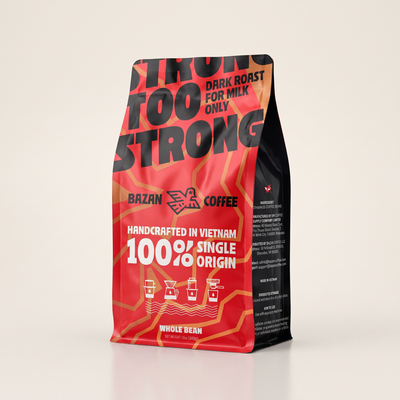
1 cup hot Bazan Too Strong Dark Roast or Too Strong Dark Roast
Step-by-Step Instructions:
-
Preheat oven to 350°F (175°C). Grease and line two 8-inch cake pans.
-
In a bowl, whisk together all dry ingredients, ensuring the cocoa is lump-free.
-
In another bowl, beat eggs, buttermilk, oil, and vanilla until fully emulsified.
-
Slowly pour in hot brewed Bazan coffee. Stir gently to combine don’t overmix.
-
Fold wet ingredients into dry until just combined.
-
Divide the batter between pans and bake for 30–35 minutes.
-
Cool for 15 minutes, then remove from pans. Cool completely before frosting.
Frosting & Glazing Options (Structured by Roast Compatibility)
|
Coffee Pairing |
Frosting Style |
Why It Works |
|
Vanilla bean buttercream |
Bright floral notes balance creamy sweetness |
|
|
Mocha ganache |
Espresso-like coffee meets dark chocolate richness |
|
|
Salted dark chocolate glaze |
Deep bitterness holds up to sweet-savory contrast |
Studies show that high-elevation Arabica like Cau Dat enhances dessert aromas when used as a liquid flavor component.
Expert Tips for Success
1. Use Strong Brewed Coffee
Avoid instant coffee, its bitterness lacks complexity. Brew your Bazan coffee strong, with a 1:15 ratio of grounds to water.
2. Add Coffee While Hot
This helps bloom the cocoa and creates a smoother batter.
3. Let the Cake Rest Overnight
Like stew, flavor improves with time. Coffee compounds continue to integrate into the crumb, enhancing flavor by the next day.
4. Always Pair with Matching Acidity
Cakes made with buttermilk and chocolate pair better with medium-acid coffees like Special Vietnam Blend.
Frequently Asked Questions
Does the cake taste like coffee?
No, unless you want it to. When done right, the coffee amplifies the cocoa. If you want a mocha-forward flavor, use a Bazan Robusta espresso reduction instead of brewed coffee.
Can I use decaf?
Yes. Use Swiss Water Processed Arabica from Bazan if caffeine is a concern. You’ll still get the flavor benefits.
What if I want a gluten-free version?
Substitute all-purpose flour with a gluten-free 1:1 blend that includes xanthan gum. The coffee component remains unchanged.
What’s the best cocoa to use?
Use Dutch-processed cocoa for lower acidity and darker color. Natural cocoa works, but may compete with certain coffees.
Pairing Chart: Bazan Coffee and Chocolate Profiles
|
Bazan Roast |
Roast Notes |
Ideal Chocolate Pairing |
|
Dark chocolate, bold, nutty |
80% bittersweet chocolate, ganache-heavy cakes |
|
|
Balanced, toffee, spice |
Milk chocolate, cinnamon, or caramel drizzle |
|
|
Bright, floral, clean |
White chocolate, raspberry, or cherry-infused cakes |
Beyond Baking: Why Coffee Belongs in the Batter

Incorporating coffee into cake isn’t just about taste. It’s about honoring coffee as a culinary ingredient with both functional and flavor value. According to Sensory Innovation Report, coffee is now being studied alongside wine, spices, and oils for its culinary potential.
With Bazan Coffee, you're not just adding caffeine, you're layering complexity, enhancing structure, and connecting to the terroir of Vietnam.
Elevate Every Bite with Bazan Coffee
Looking to make your chocolate cake unforgettable? Start with the right beans.
Bazan Coffee offers:
-
Single-origin traceability
-
Carefully calibrated roast curves
-
Flavor stability and clarity, even under heat
Recommended Roasts for Baking:
-
Too Strong Dark Roast – For bold, espresso-layered cakes
-
Too Strong Dark Roast – Balanced and perfect for daily recipes
-
Too Strong Dark Roast – Clean, complex, and ideal for delicate desserts
Shop now at bazancoffee.com
Bring bakery-quality flavor to your home with every brew, every bite.