Mastering Breve Milk: The Ultimate Guide to a Creamy Coffee Classic
In the expansive world of espresso-based beverages, one drink consistently rises above the rest for its indulgent creaminess: the breve. At the heart of this rich, satisfying experience is breve milk-a luxurious dairy option that transforms a simple espresso into a velvety delight. Whether you’re a home barista aiming to recreate café-quality drinks or a curious coffee lover exploring your options, this guide provides a complete, research-backed look into breve milk, from its meaning to its calories, alternatives, and how to make it at home.
What Is Breve Milk?
Breve milk refers to the use of half-and-half, a mixture of 50% whole milk and 50% heavy cream, as the dairy base in espresso drinks-most commonly in a beverage called a "caffè breve." The result? A richer, silkier texture than traditional lattes and cappuccinos, with a natural sweetness that makes added sugar often unnecessary.
This type of milk isn’t "milk" in the traditional sense, but its unique fat-to-liquid ratio makes it steam beautifully, creating luscious microfoam that pairs perfectly with the robust intensity of espresso.

Breve Milk Meaning and Origins
The word “breve” comes from the Italian term meaning “short,” but in American coffee culture, it’s become synonymous with indulgence. Unlike Italian espresso drinks which traditionally focus on simplicity, the breve was born out of a desire for richer, creamier coffee-a trend that gained traction in the U.S. during the third wave coffee movement.
Instead of following the typical European latte or cappuccino model, the breve introduced an American twist, catering to those who preferred a more dessert-like cup without the added sugar syrups.
Breve Milk Calories: What to Expect
It’s no secret that breve milk adds richness-but it also adds calories. That’s not inherently bad, but it’s worth understanding if you’re watching your intake.
-
1 oz of half-and-half contains approximately 40 calories.
-
A standard 12 oz breve latte may include 8 oz of steamed half-and-half, bringing the total dairy component to about 320–350 calories, plus the espresso (~10 calories).
-
That’s roughly twice the calories of a 2% milk latte of the same size.
However, the added calories come with a luxurious mouthfeel and a sweet creaminess that many find entirely worth it. For those who use breve milk only occasionally or in smaller quantities (such as in cortados or flat whites), the calorie difference is less significant.
Breve Milk Alternatives
If you're looking for a lower-calorie, non-dairy, or allergy-friendly substitute that still gives you that creamy breve-style experience, here are some excellent options:
1. Cashew Milk
Naturally creamy with a subtle sweetness, cashew milk froths well and is one of the best plant-based breve alternatives.
2. Full-Fat Coconut Milk
This is a great choice for texture, though it does introduce a tropical coconut flavor. Best for adventurous palates and certain espresso pairings.
3. Oat Milk (Barista Blend)
The most neutral dairy-free milk for foam and flavor. While it doesn’t quite reach the fat content of breve milk, it’s creamy enough to be a satisfying substitute.
4. Homemade Vegan Breve
Blend equal parts cashew cream and unsweetened oat milk to create your own dairy-free “half-and-half” for a close approximation of breve milk’s texture.

How to Make Breve Milk at Home
Crafting a breve drink at home is easier than you think, and once you experience the texture and richness it brings to your espresso, you may never go back to plain milk.
What You’ll Need:
-
Freshly brewed espresso (single or double shot)
-
Half-and-half (chilled)
-
A steam wand, milk frother, or stovetop and whisk
-
Your favorite mug
Steps:
-
Pull Your Espresso
Brew a shot (or two) of espresso using your espresso machine, Moka pot, or AeroPress. For best results, use freshly ground beans from Bazan Coffee’s espresso blend. -
Steam or Heat the Half-and-Half
Use a steam wand to froth 4–6 ounces of half-and-half to about 140–150°F (avoid boiling). If you don’t have a wand, heat it on the stovetop and whisk until slightly foamy. -
Combine and Serve
Pour the espresso into your cup, then gently add the steamed half-and-half, holding back foam with a spoon if you prefer more liquid than froth. -
Optional: Add Flavor
While a traditional breve is enjoyed plain, it pairs beautifully with natural flavorings like vanilla, nutmeg, cinnamon, or caramel.
FAQs About Breve Milk
Q: What makes breve milk different from regular milk in coffee?
A: Breve milk is richer, thicker, and naturally sweeter due to its higher fat content. It creates more luxurious foam and gives the drink a dessert-like feel compared to steamed regular milk.
Q: Can I drink breve milk daily?
A: It depends on your dietary goals. Because it’s higher in fat and calories, many baristas and nutritionists suggest enjoying it occasionally or in moderation.
Q: Does breve milk steam well?
A: Yes. The fat content helps it produce rich, thick microfoam that’s perfect for latte art and a silky mouthfeel-especially when used fresh and cold before steaming.
Q: Is breve milk suitable for iced drinks?
A: Absolutely. While it doesn't foam in iced drinks, its creaminess makes it perfect for iced lattes, iced americanos, and cold brew. Simply pour over ice and stir to blend.

Conclusion: The Bazan Coffee Touch
Breve milk brings elegance and indulgence to your espresso experience, offering a creamy, comforting profile that elevates every sip. It’s ideal for those who value texture and richness in their coffee-especially when paired with high-quality espresso.
At Bazan Coffee, we believe that exceptional coffee starts with exceptional ingredients. Pair your breve with our single-origin or specialty espresso blends to create a barista-level drink in your own kitchen.
Final Thoughts: Spice That Honors the Bean
This Mexican spiced coffee recipe is a sensory journey-honoring tradition, warming the soul, and elevating your coffee ritual. Crafted with Bazan Coffee, it becomes more than a drink. It becomes a story in a cup.
Infuse your brew. Spice your soul. Drink with depth-with Bazan.
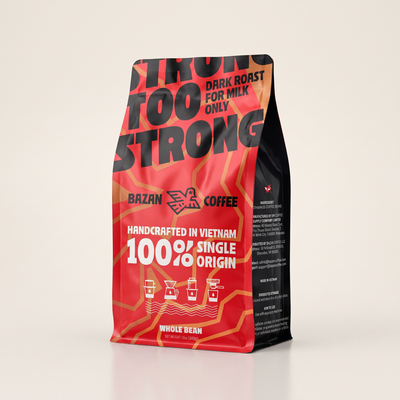
Brew It with Too Strong: Vietnam’s Bold Robusta
Too Strong is 100% Vietnamese Robusta from Đắk Lắk, dark roasted to stand up to milk and ice. It carries roughly twice the caffeine of a typical arabica blend (about 2.2–2.7%), with notes of chocolate, caramel and warm toast and none of the burnt, bitter bite.
- Made for milk: built for cà phê sữa đá, lattes and iced coffee.
- Brew it your way: phin filter, espresso machine, French press or paper filter.
- Fresh from the farm: roasted date printed on every bag.